Some of the most memorable interiors aren’t filled with more. They’re defined by restraint.
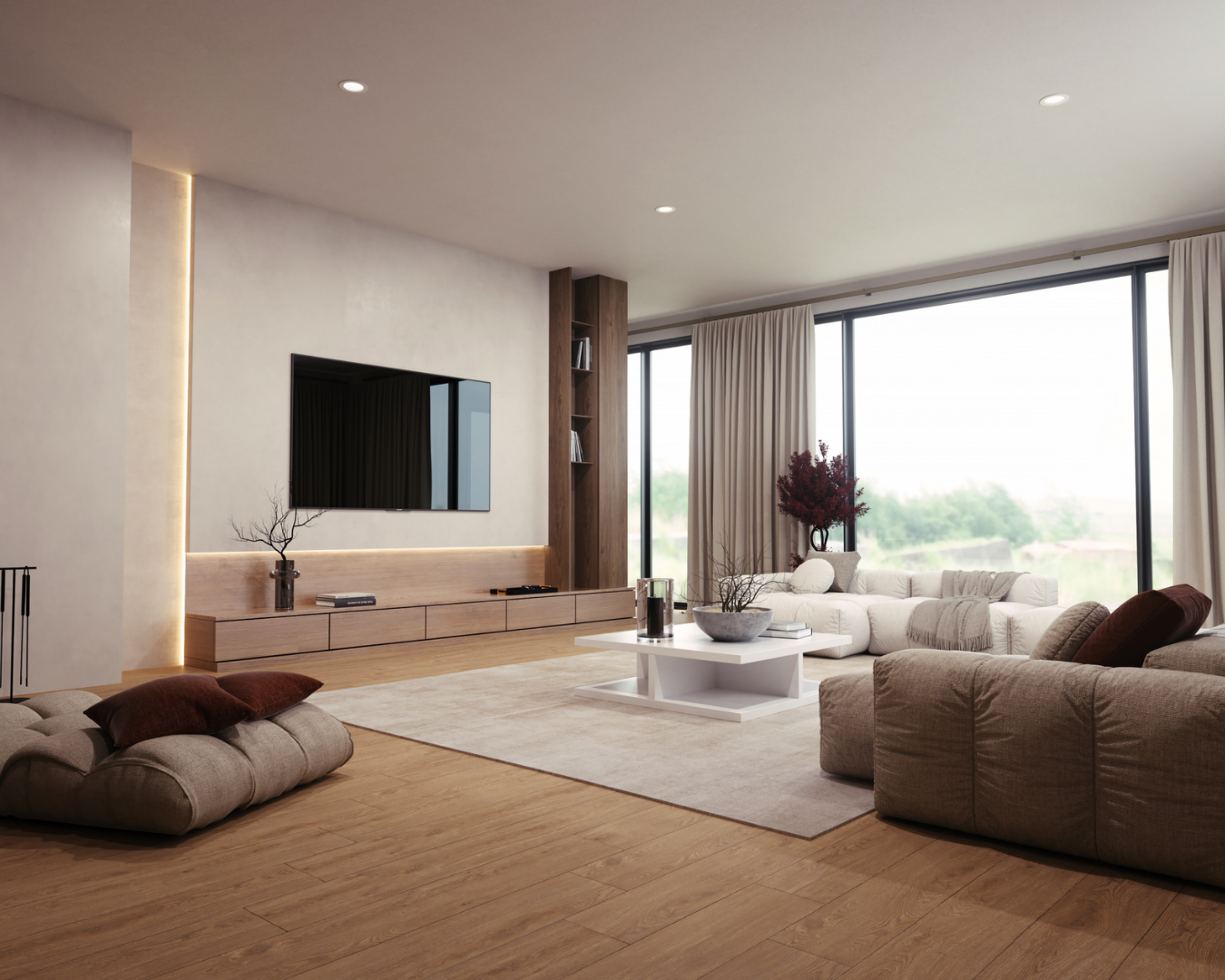
Negative space is what gives a room the opportunity to breathe. It allows architectural details to stand out, creates visual rhythm, and helps each carefully selected piece feel more intentional. While furniture, lighting, and artwork often lead that conversation, window treatments play an equally important role.
At Vesta Drapery Hardware, we’ve found that the most successful window treatments aren’t always the ones that make the biggest statement. Often, they’re the ones that know when to step back.
Let the Architecture Have a Voice
When a room features soaring ceilings, oversized windows, detailed millwork, or exposed beams, the architecture has already established much of the visual story.
Rather than introducing another dominant element, many designers choose hardware that supports those architectural features without competing for attention.
Clean-lined systems like Techno Track, PURTEC, and DECO [R] help maintain uninterrupted sightlines while allowing the architecture and fabric to take center stage.
Thoughtful Restraint Creates Balance
Negative space doesn’t mean eliminating detail. It means knowing where detail will have the greatest impact.
In some rooms, a decorative rod and sculptural finials become an intentional focal point. In others, simplifying the hardware creates a stronger overall composition.
The question isn’t whether the hardware should be seen. It’s whether drawing attention to it strengthens the room.
When every element is asking for attention, nothing truly stands out.
Let the Fabric Do the Talking
The relationship between fabric and hardware is another opportunity to create balance.
Textured linens, soft sheers, and richly woven draperies often carry enough visual interest on their own. Pairing them with streamlined hardware allows the texture, movement, and craftsmanship of the fabric to remain the focus.
Conversely, when working with simpler textiles, decorative collections like European Elegance, Helena, or Blacksmith can introduce another layer of character without overwhelming the space.
Preserve Light and Openness
Negative space is about more than what occupies the wall. It’s also about preserving what makes a room feel open.
Planning for stackback, selecting the appropriate projection, and choosing hardware that allows drapery to operate smoothly can maximize natural light and maintain uninterrupted views when treatments are open.
These functional decisions contribute just as much to a room’s sense of openness as its furniture layout or color palette.
Edit Before You Add
One of the most valuable habits in the design process is stepping back before making the final specification.
Ask yourself:
- Does this hardware add to the room or simply add more?
- Is it supporting the architecture?
- Does it reinforce the overall composition?
- Would a quieter profile create a stronger result?
Sometimes the best design decision isn’t adding another decorative element. It’s allowing the room to speak for itself.
Designing With Intention
Negative space is one of the most powerful tools in an interior designer’s toolkit because it creates balance without demanding attention.
The same philosophy applies to drapery hardware. Whether the goal is to create a quiet architectural backdrop or introduce a thoughtful decorative detail, every specification contributes to the overall composition.
At Vesta Drapery Hardware, our collections are designed to give designers the flexibility to create both. To explore our full range of decorative rods, architectural track systems, finishes, and specification resources, browse the 2026 Vesta Catalog, available now in both digital and print formats.