As an interior designer, you’re constantly balancing what’s trending with what feels timeless for your clients. And while furniture, paint, and fabrics tend to dominate trend conversations, window treatments and the hardware behind them, play a major role in shaping how these styles come together.
So far, early signals for 2026 interior design point toward warmer palettes, more personal spaces, and thoughtful details that feel curated rather than overly polished. Here are a few of the trends gaining momentum, and how the right drapery hardware can help bring them to life.
Warm, Comforting Color Palettes
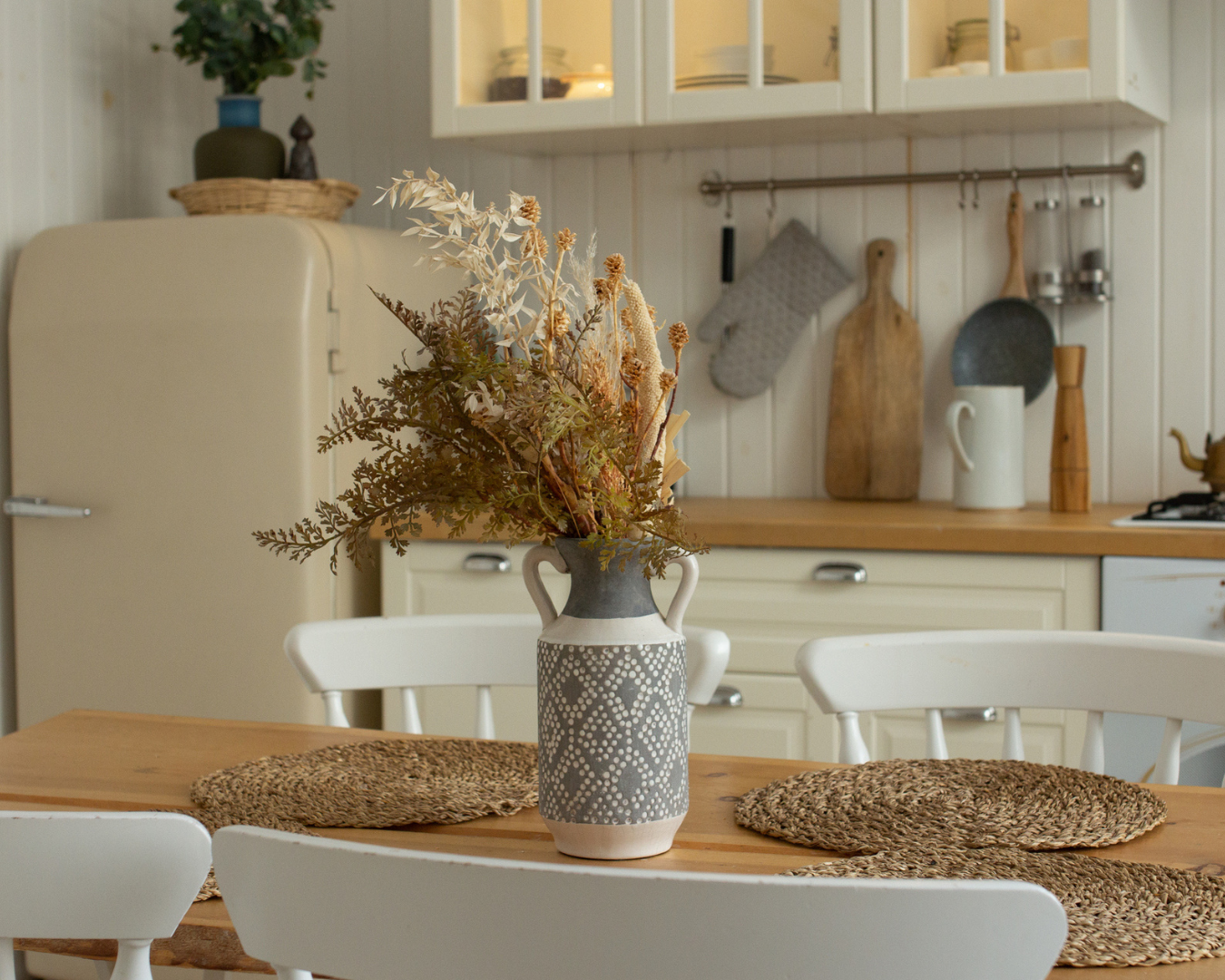
Cool grays and stark contrasts are gradually giving way to warmer, softer palettes. Designers are leaning into creamy neutrals, earthy greens, muted terracottas, and warm wood tones that make interiors feel more relaxed and inviting.
Instead of dramatic black-and-white contrasts, spaces are being layered with subtle tonal variation; think buttery yellows, smoky greens, and warm taupes.
For window treatments, this shift toward warmth means hardware should feel equally inviting.
Hardware to consider:
Collections with warm metallic finishes or softer brushed textures pair beautifully with these palettes. Steel rod systems like Helena or Apollo offer rich finishes that complement oak cabinetry, natural textiles, and layered neutral fabrics without feeling cold or overly industrial.
Designer tip: When working with warmer color palettes, consider hardware finishes like brushed brass, bronze tones, or soft nickel to reinforce the warmth rather than competing with it.
Cottage and Nostalgic Comfort
Another trend gaining momentum is the rise of cozy, nostalgic interiors. Often described as cottagecore, this style embraces layered textures, vintage influences, and spaces that feel lived-in and personal.
Expect to see:
- Floral patterns
• Soft fabrics and layered drapery
• Decorative details and collected objects
• Rooms that feel charming rather than minimal
In these interiors, window treatments are often fuller, softer, and more expressive, making the hardware visible and part of the design story.
Hardware to consider:
Classic rod collections, such as Castilian or European Elegance bring timeless character to these spaces. Their refined profiles and decorative details complement layered drapery and traditional fabrics while reinforcing the nostalgic feel designers are aiming for.
Designer tip: Decorative finials and classic rod profiles can add just enough visual interest without overpowering delicate fabrics or patterned drapery.
Thoughtful Details Over Oversized Statements
Where oversized showpieces once dominated interiors, designers are now prioritizing smaller, intentional details that make a space feel curated. Instead of dramatic architectural gestures, many homeowners are investing in elements that feel purposeful and refined, beautiful trim work, thoughtful shelving, layered textures, and carefully selected finishes.
This mindset naturally extends to window hardware.
Rather than bulky rods or overly ornate systems, designers are specifying cleaner profiles that quietly support the design.
Hardware to consider:
Minimal track systems such as Eco-Deco offer a streamlined solution that blends seamlessly into the architecture while still delivering professional-grade performance. These types of tracks allow drapery to become the focal point while the hardware works quietly in the background.
Designer tip: In rooms where multiple design details compete for attention, subtle track systems help maintain visual balance.
Technology That Disappears into the Design
As smart home technology becomes more common, homeowners still want interiors that feel warm and natural, not overly technical. This has led to growing interest in motorized drapery systems that remain visually discreet. Designers want the convenience of automation without visible motors or bulky mechanisms disrupting the aesthetic.
Hardware to consider:
Vesta’s MCT 2.0 motor technology, available across collections like Deco [R], Motopia, Novi, and PurTec, allows designers to integrate motorized curtain systems while maintaining a clean, unified appearance.
Because the motor is integrated within the track profile, the system remains visually consistent with traditional hardware.
Designer tip: Motorized tracks are especially effective for tall windows, wide spans, and floor-to-ceiling drapery, where manual operation becomes less practical.
Personal Spaces and Layered Living
Another emerging theme for 2026 is the desire for homes that support personal routines and hobbies. Craft rooms, reading nooks, and quiet corners are becoming more common as people design spaces that reflect how they actually live.
Window treatments often help define these smaller spaces, softening light, creating privacy, and adding comfort.
Hardware to consider:
Versatile systems like Techno Track allow designers to accommodate long spans, one-way draws, and flexible drapery configurations that work well in multipurpose spaces.
Designer tip: When designing smaller, personal rooms, smooth-gliding track systems ensure window treatments remain functional and easy to use every day.
Designing for Trends That Last
Trends will always evolve, but the goal for designers is never to chase them; it’s to interpret them in ways that feel timeless.
The right drapery hardware helps achieve that balance. Whether you’re embracing warm palettes, nostalgic textures, or discreet motorization, thoughtful hardware choices ensure your window treatments support the overall design rather than competing with it.
At Vesta Drapery Hardware, our collections are designed to help interior designers create spaces that feel intentional, refined, and built to last, no matter which trends shape the years ahead.